The story
The Life and Legacy of a Final Masterpiece
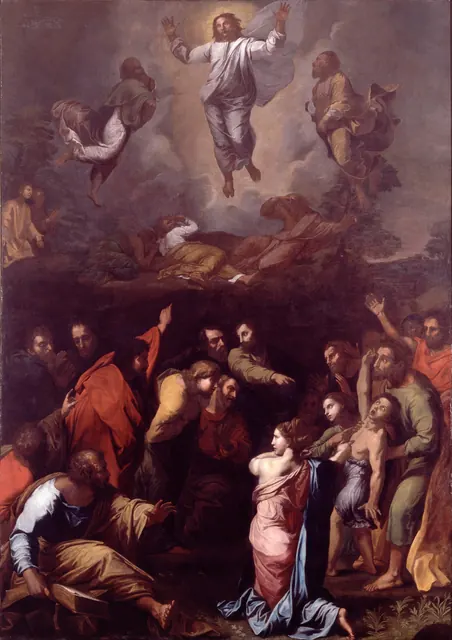
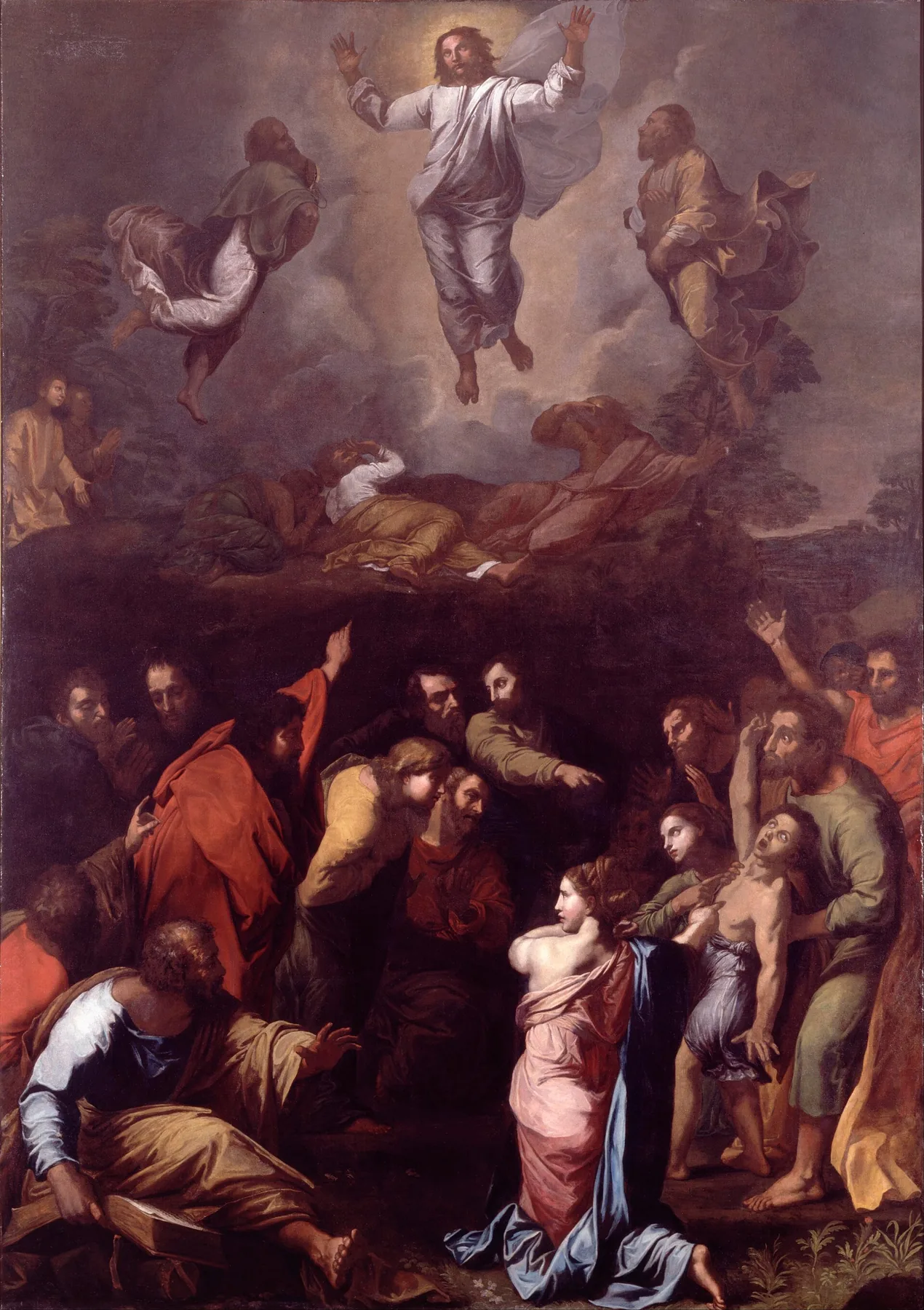
Raphael, the towering figure of the High Renaissance, crafted a work that would become his final artistic statement: The Transfiguration. The canvas was commissioned by Cardinal Giulio de' Medici, the future Pope Clement VII, tying the piece to the aspirations of a man destined to lead the Church. In this commission Raphael aimed to fuse the celestial with the earthly, producing a visual testament that would resonate far beyond his own lifetime.
The cardinal’s patronage extended beyond a single work. Raphael was tasked with delivering two monumental altarpieces for the cathedral of Saint Giusto in Narbonne, a program that called for a visual dialogue between paired biblical narratives. This dual commission underscores the importance placed on theological storytelling within the sacred space, and it situates The Transfiguration within a broader liturgical vision that the cardinal envisioned for the cathedral’s high altar.
When Raphael died in 1520, the unfinished panel remained in the cardinal’s possession. He later donated the work to the modest church of San Pietro in Montorio, where it was installed above the high altar. In that setting the painting became the focal point of worship, bridging the artist’s unfinished vision with the devotional practices of the faithful who gathered beneath its luminous presence.
The turbulence of the French Revolutionary wars reached the canvas in 1797, when the Treaty of Tolentino authorized its seizure and transport to Paris. For nearly two decades the masterpiece resided far from its Roman home, a silent witness to the spoils of conflict. In 1816, after Napoleon’s defeat, the work was returned to Rome and entered the Pinacoteca of Pope Pius VII, restoring it to a public collection where scholars could once again study its brilliance.
Today, The Transfiguration hangs within the Vatican Museums, where it joins the great corpus of Renaissance masterpieces on display for visitors from around the world. Its presence in the Vatican underscores the painting’s enduring spiritual and artistic significance, linking the work directly to the heart of the Catholic tradition it was originally meant to serve.
Materials, Composition, and Completion
Raphael employed oil paint for The Transfiguration, a medium that allowed him to build translucent glazes and achieve a depth of colour unattainable in fresco. The oily layers create a luminous atmosphere, where light seems to emanate from within the pigments themselves, giving the scene a subtle, almost ethereal glow that enhances the spiritual narrative.
The composition is organized into two distinct registers. In the upper register, Christ is shown at the moment of his Transfiguration, flanked by the prophets Moses and Elijah, a scene that traditionally radiates divine light. Below, the Apostles confront a youth seized by a demonic possession, a dramatic earthly episode that contrasts with the heavenly serenity above. This dual narrative links the revelation of divine glory with its impact on human witnesses.
The work remained unfinished at Raphael’s death. To bring the altarpiece to a functional state, his trusted assistant Giulio Romano stepped in, completing the sections left incomplete. Romano’s contributions respect Raphael’s original design, adding finishing touches that harmonize with the master’s palette and compositional rhythm, ensuring the painting could fulfill its liturgical role despite the loss of its creator.
Reception and Interpretation
The eminent biographer Giorgio Vasari later described the painting as “the most famous, the most beautiful and most divine.” His superlatives capture the awe that contemporaries felt when encountering Raphael’s synthesis of narrative clarity and spiritual intensity, cementing the work’s reputation as a pinnacle of Renaissance art.
Vasari also recorded a poignant anecdote: after Raphael’s death, the altarpiece was placed at the head of the master’s body as it lay in state in his studio. This symbolic gesture elevated the canvas to a memorial of the artist himself, intertwining his personal legacy with the sacred subject he had rendered.
Art historians often regard The Transfiguration as a spiritual testament to Raphael’s faith and artistic ambition. The painting can be read as a visual summation of his lifelong pursuit of harmony between the divine and the human, offering viewers a contemplative bridge that links earthly experience with heavenly revelation.
Scholars also see in its dynamic composition, elongated figures, and dramatic lighting a foreshadowing of the Mannerist style that would follow, as well as an early echo of Baroque theatricality. In this sense, The Transfiguration stands as a precursor to later artistic movements, hinting at the stylistic shifts that would reshape European art in the decades after Raphael’s death.
Through patronage, unfinished ambition, wartime upheaval, and enduring reverence, Raphael’s The Transfiguration continues to illuminate the dialogue between heaven and earth, inviting each new generation to glimpse the divine through the brushstrokes of a master.