The story
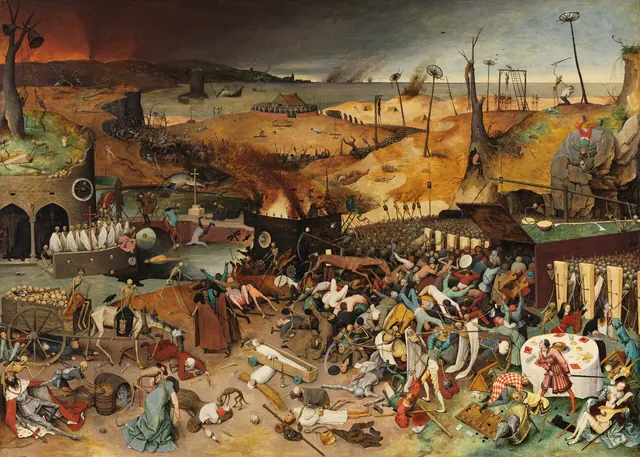
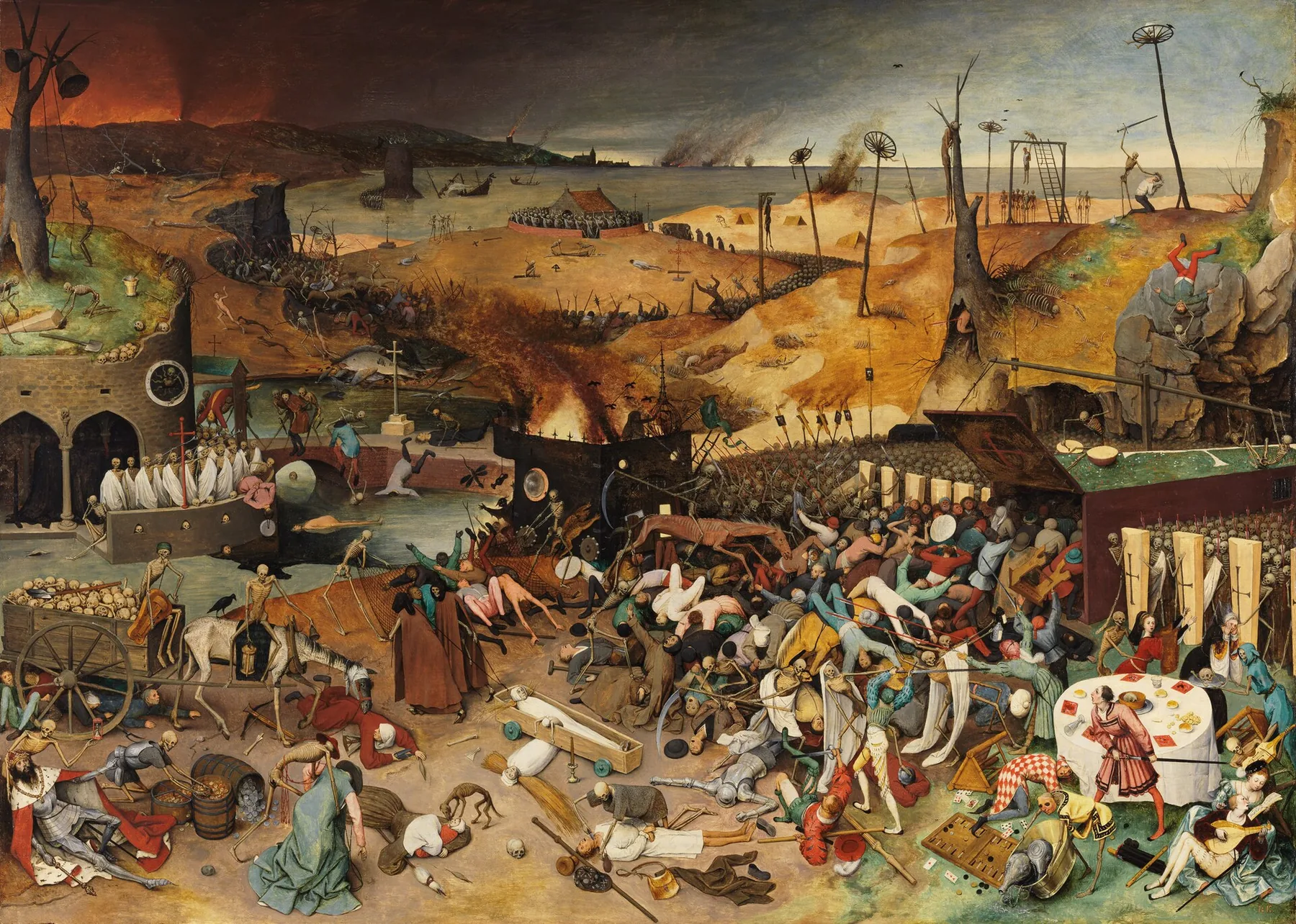
There is a painting by Pieter Bruegel the Elder titled The Triumph of Death. Because the work is in the public domain, scholars and anyone with an internet connection can download high‑resolution images without restriction. This openness turns a sixteenth‑century canvas into a shared visual resource, inviting us to examine every brushstroke, every figure, and every compositional choice as if we were standing before the panel ourselves. The freedom to explore the image in detail sets the stage for a deeper look at what Bruegel chose to depict and why those choices still resonate today.
The religious and political disorder of the Reformation in the Netherlands left an indelible mark on Bruegel’s most original works, and The Triumph of Death is no exception. Margaret Sullivan points out that the upheavals of that era—iconoclasm, doctrinal clashes, and civil unrest—infused Bruegel’s visual language with a sense of pervasive uncertainty. By embedding the climate of conflict into the very fabric of the painting, Bruegel offers a mirror of a society wrestling with profound instability, allowing the canvas to function as a historical document of its time as well as an artistic achievement.
If you let your eye wander across the panel, the first thing you notice is how dominant the vernacular images of death are. Skeletal figures, grim reapers, and other familiar symbols crowd every corner, leaving little visual respite. This visual dominance is not decorative; it forces the viewer to confront the pervasiveness of mortality in a world already destabilized by religious conflict. The relentless presence of these motifs underscores how death infiltrated daily life, turning ordinary scenes into a stage for existential drama that Bruegel could not ignore.
Bruegel’s genius lies in his ability to blend classical elements with the everyday visual habits of his time. He places architectural gestures and balanced compositional structures—hallmarks of antiquity—side by side with rustic details that would have resonated with common folk. This hybrid language lets the painting speak simultaneously to learned patrons familiar with ancient symbolism and to ordinary viewers who recognize the earthy scenes. The result is a layered tableau where lofty references and grounded realism coexist, enriching the work’s interpretive possibilities without sacrificing accessibility.
The classical tradition of satire gave Bruegel a neutral stance from which to critique contemporary violence. By adopting satire’s ultimate weapon—humor and exaggeration—he could comment on the horrors of his age without overt moralizing. This approach lets the painting function as a subtle observer, exposing the absurdity of endless conflict while remaining rooted in a visual language that viewers could readily decode. In this way, satire becomes a lens that both distances and draws us into the chaotic scene, allowing a critical yet detached perspective on the turmoil surrounding him.
Art historian Todd Richardson cautions against reading Bruegel’s work solely through the filter of classical literary sources. He argues that such arguments rely heavily on textual parallels while offering inadequate visual evidence from the canvas itself. Richardson’s critique reminds us that any interpretation must be anchored in what the painting actually shows, not just in echoes of ancient texts. This tension between literary theory and visual proof fuels ongoing debate, urging viewers to scrutinize the image itself before accepting broader cultural readings, and keeping the dialogue grounded in the work’s own visual facts.
Beyond its sixteenth‑century origins, The Triumph of Death finds new life in the UCSF Narrative Medicine gallery. There, the painting serves as a catalyst for conversations about mortality, patient experience, and the human condition. Placed alongside contemporary narratives of illness, its stark imagery invites clinicians and patients alike to reflect on the universality of death and the ways it shapes our stories. This interdisciplinary setting underscores the timeless power of visual art to articulate the deepest aspects of human vulnerability, bridging centuries of contemplation on life’s fragility.
Putting the dominant death imagery together with the Reformation’s turmoil yields a compelling interpretation: the pervasive presence of mortality on the canvas mirrors the chaotic climate of Bruegel’s time. The visual overload of skeletal figures and grim symbols can be read as a direct response to a society where religious and political disorder made death a constant, unsettling companion. This reading deepens our understanding of how contemporary anxieties shaped Bruegel’s artistic choices, turning the painting into a visual echo of an era marked by instability and fear.
In Bruegel’s masterful tableau, death becomes both subject and storyteller, reminding us that art can illuminate even the darkest chapters of history with unflinching clarity.