The story
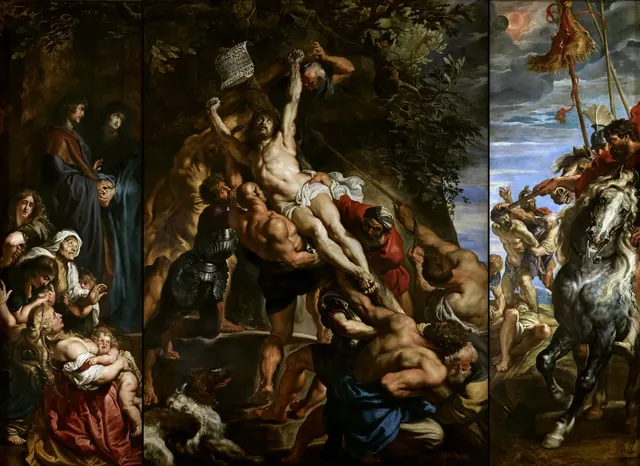
In the year 1610, Peter Paul Rubens set down one of the most ambitious religious canvases of the Baroque era: an oil painting on wood that would become known as The Elevation of the Cross. Its sheer scale—towering over fifteen feet high—immediately confronts the viewer with a drama that seems to spill beyond the frame. Contemporary scholars still refer to it as a masterpiece of Baroque painting, a testament to Rubens’s ability to fuse monumental composition with vivid, tactile detail. The work’s physical presence alone signals the artist’s intent to create an immersive, spiritual experience.
The painting emerged at a moment of renewed optimism in Antwerp. After the Twelve‑Year Truce of 1609, the city’s merchants and guilds enjoyed a burst of prosperity, prompting the Archdukes to ask churches to replace artworks destroyed during earlier iconoclastic riots. In the spring of 1610, a meeting in a modest inn near Saint Walpurgis’ Church brought together the wealthy merchant Cornelis van der Geest, the church wardens, and the parish priest. Van der Geest agreed to finance the new altarpiece, and Rubens was commissioned to execute it for the high altar of the now‑lost Saint Walpurgis’ Church, a work that later found a permanent home in the Cathedral of Our Lady, Antwerp.
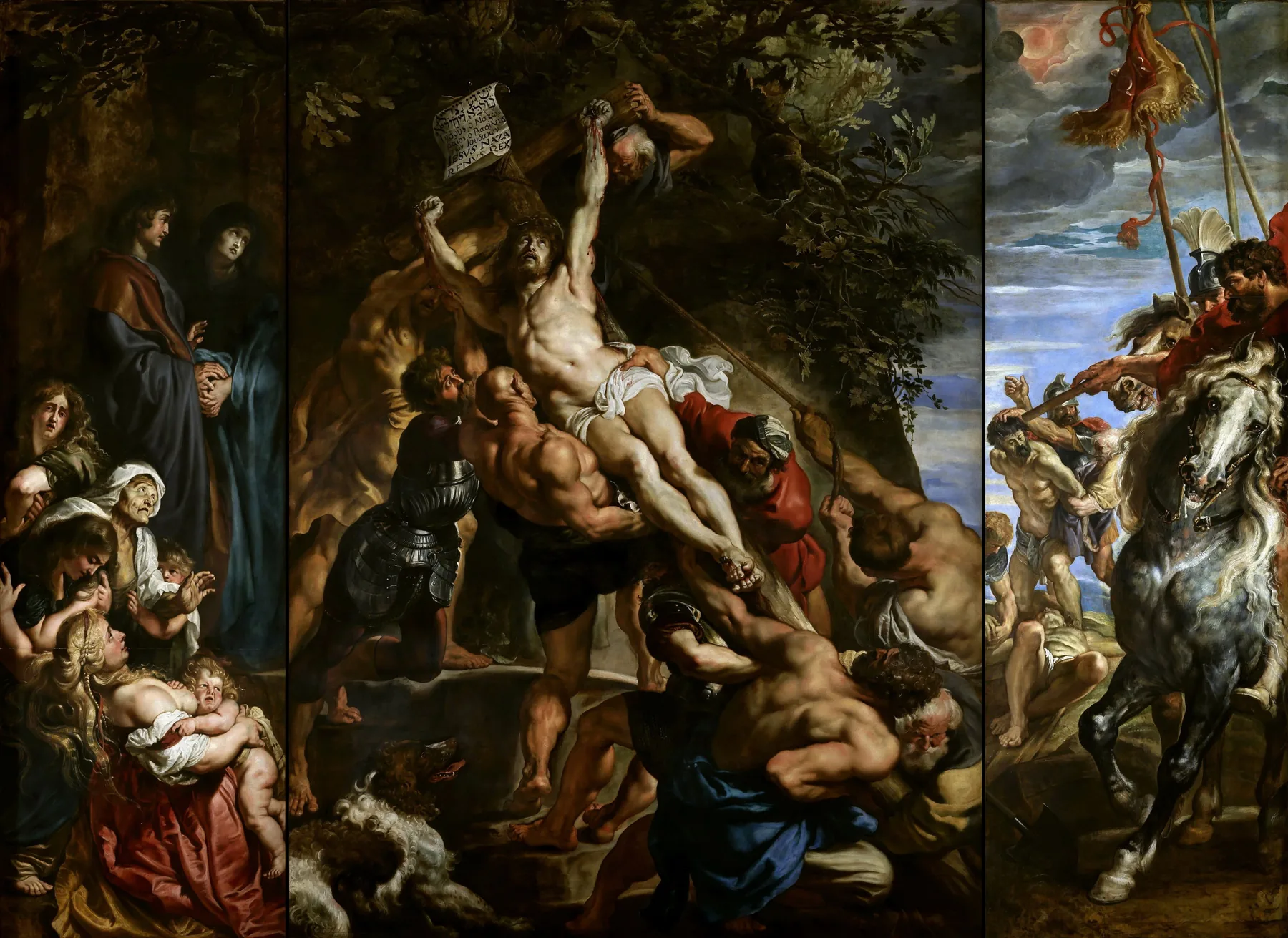
Measuring roughly fifteen feet by eleven feet, the central panel dominates the triptych, yet Rubens treats the three sections as a single, continuous space. This innovative use of the traditional altarpiece format allows the viewer’s eye to travel seamlessly from the central crucifixion scene to the flanking wings, dissolving the boundaries that usually separate narrative episodes. By unifying the panels, Rubens creates a theatrical stage on which every figure shares the same atmospheric light and spatial logic, reinforcing the emotional intensity of the moment while preserving the structural elegance of the triptych form.
At the heart of the composition, a pale‑skinned Christ hangs on a rough‑hewn wooden cross, his white loincloth contrasting with the deep reds and blues of the surrounding figures. A man in black plate armor kneels, pushing the cross upward, his gaze lifted toward the heavens. Beside him, a bearded man in a red tunic and white head‑wrap also strains against the weight, while a muscular figure in a blue cloth lifts from below, his back turned to reveal powerful tension. Above, an elderly carpenter with white hair and a grey beard hammers a nail into the cross. To the left, a woman in a red dress cradles a baby, her exposed breast illuminated, while two women in dark blue robes, one with a red mantle, stand nearby, their eyes turned upward in reverent awe. A green‑dressed woman clutches her head in grief, and a brown‑and‑white dog sits at their feet, adding a quiet domestic note to the scene. The dramatic choreography, underscored by a flag with red ribbons and a white sign attached to the cross, captures the physical and spiritual weight of the moment.
Flanking the central scene, the exterior wings depict four saints closely tied to Antwerp’s civic identity. On the left, Saint Amandus and Saint Walpurgis stand as protectors of the church, while on the right, Saint Catherine of Alexandria and Saint Eligius appear, each rendered with the same attention to detail as the central figures. Their inclusion reflects the city’s devotion to patrons who embodied both spiritual and commercial virtues, reinforcing the altarpiece’s role as a visual embodiment of Antwerp’s communal pride and religious fervor.
Given the monumental dimensions of the work, Rubens chose to paint it on‑site, concealed behind a heavy curtain that shielded the developing composition from the curious eyes of the faithful. This practical solution allowed the artist to work on the massive wooden panels without the constraints of a studio, ensuring that the physical gestures and lighting could be adjusted in real time as the piece grew. The on‑site approach also underscores the collaborative nature of the commission, as Rubens could respond directly to the space of the altar for which the altarpiece was intended.
The composition’s serpentine movement—visible in the twisting bodies of the soldiers and the sweeping lines of the drapery—recalls the dynamic vigor of Michelangelo’s figures. This flowing rhythm guides the viewer’s eye upward along the cross, creating a sense of perpetual motion that heightens the emotional intensity of the scene. While Rubens adapts this classic gesture to his own Baroque sensibility, the echo of Michelangelo’s style reinforces the work’s dramatic narrative, linking Northern European painting to the grand gestures of the Italian High Renaissance.
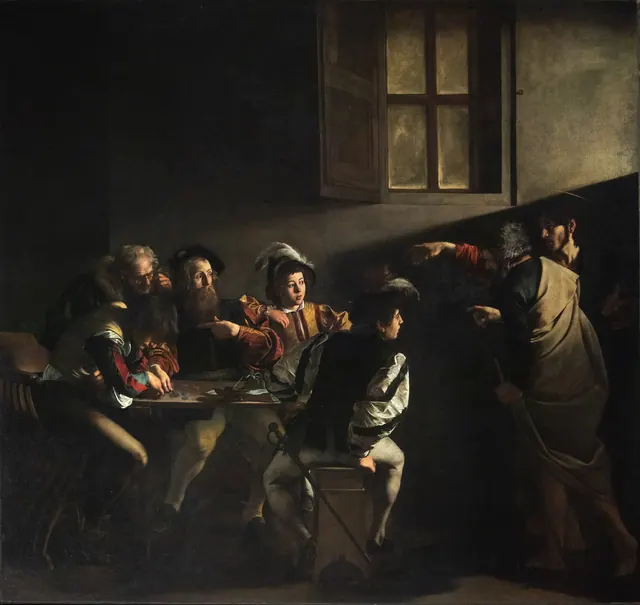
Rubens weaves together the dramatic chiaroscuro of Caravaggio, the vibrant color palette of Tintoretto, and his own Flemish attention to texture, producing a visual language that celebrates heroic suffering. The stark contrasts of light and shadow illuminate the physical strain of the figures, while the rich reds and blues convey both earthly vitality and spiritual significance. This synthesis of Italianate influences with Northern realism creates a powerful affirmation of redemption, inviting viewers to contemplate the physical reality of the crucifixion alongside its transcendent meaning.
Today, The Elevation of the Cross stands as a defining achievement of Baroque art, embodying the movement’s hallmark of emotional immediacy, theatrical composition, and masterful use of light. Its enduring reputation rests not only on Rubens’s technical brilliance but also on the work’s ability to draw viewers into a lived experience of devotion and drama. As a centerpiece of the Cathedral of Our Lady, it continues to inspire awe, reminding us of the power of art to convey both the physical and the transcendent in a single, unforgettable vision.
May the quiet strength of Rubens’s cross linger in your thoughts long after the viewing.